The Weight of Being Trusted
On responsibility, composure, and what steadiness owes once another person has stopped managing the room.
By Samuel Ardent5 min read
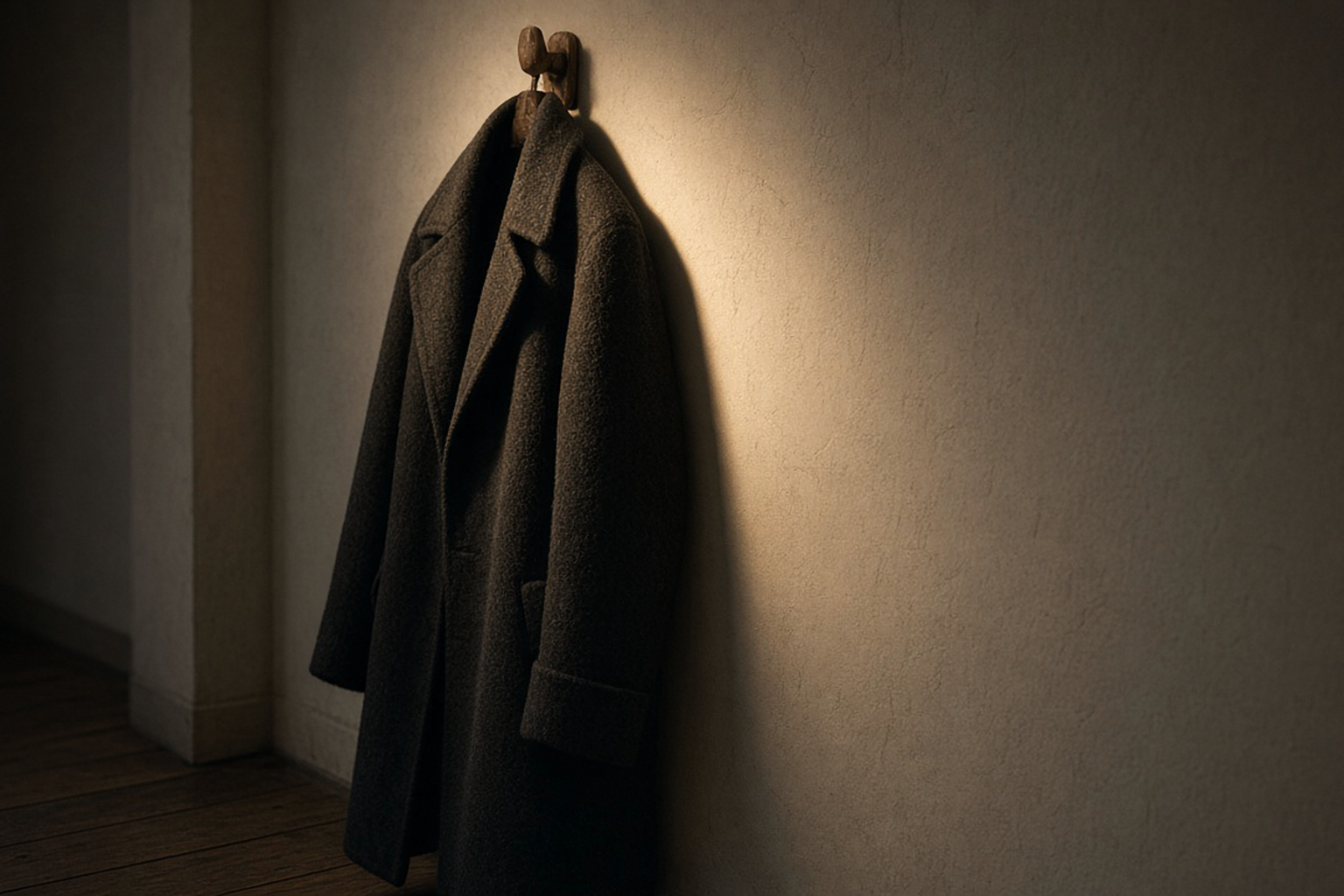
The room has settled, and you can feel where it settled.
Someone across from you has stopped arranging the next sentence. Their shoulders have dropped by a degree you would miss if you were the one talking. A glass sits where they left it. The lamp is still at the setting it had when you both sat down.
You were already composed. What has changed is the use they are making of that. Your steadiness has become part of the furniture. They are resting a little of the evening against it.
No one asked you to hold the room. You can feel that you are holding it anyway.
The appeal of being the steady one
There is a pleasure in being the person a room can lean on.
You know how to keep your voice where it was. You know how to let a silence finish. You know how to want someone and still leave them room to want you back, or to want the evening to end. That knowledge is part of why closeness can arrive without a performance attached to it.
I am interested in dominance when it takes this shape: care rather than force, pleasure understood as a responsibility, desire guided rather than chased. A person can enjoy being steady. The enjoyment is not a stain on the steadiness.
It thins when the enjoyment needs a witness. You begin to watch yourself being the calm one. The composure that let the other person relax becomes a part you are maintaining so that you still recognize yourself. You have left the evening. You are supervising the conditions under which you look fit to be in it.
Responsibility, when it is honest, is heavier than that, and quieter. It does not arrive as a mood you can display. It arrives as a change in what your next gesture is allowed to cost.
What the weight actually is
The weight is not a speech. It is not a vow. It is the plain fact that your pace is now part of theirs.
If you fill the silence, they do not have to. If you reach first, they can decide whether to meet you. If you hurry, they have to catch the evening or brace against it. None of this requires you to turn solemn. It requires you to notice that someone has set a portion of their vigilance down, and that the portion is now sitting with you.
Stillness can be absence. You are in the chair, and you are also elsewhere, composing the person you hope they will remember. Steadiness is what continues after you notice they are trusting the room, and you stay at that temperature on purpose.
I am wary of making a method out of the noticing. The introduction to Steadiness already refuses that move. This is not a book about technique. Nothing here needs to be proven, defended, or explained away.
A responsibility that needs a procedure has changed into something else. You would be applying yourself to another person in order to feel responsible, which is only conquest at a lower volume. The weight is information. Someone trusts the room enough to stop managing it. If you accept the trust, you do not spend their ease on a picture of yourself.
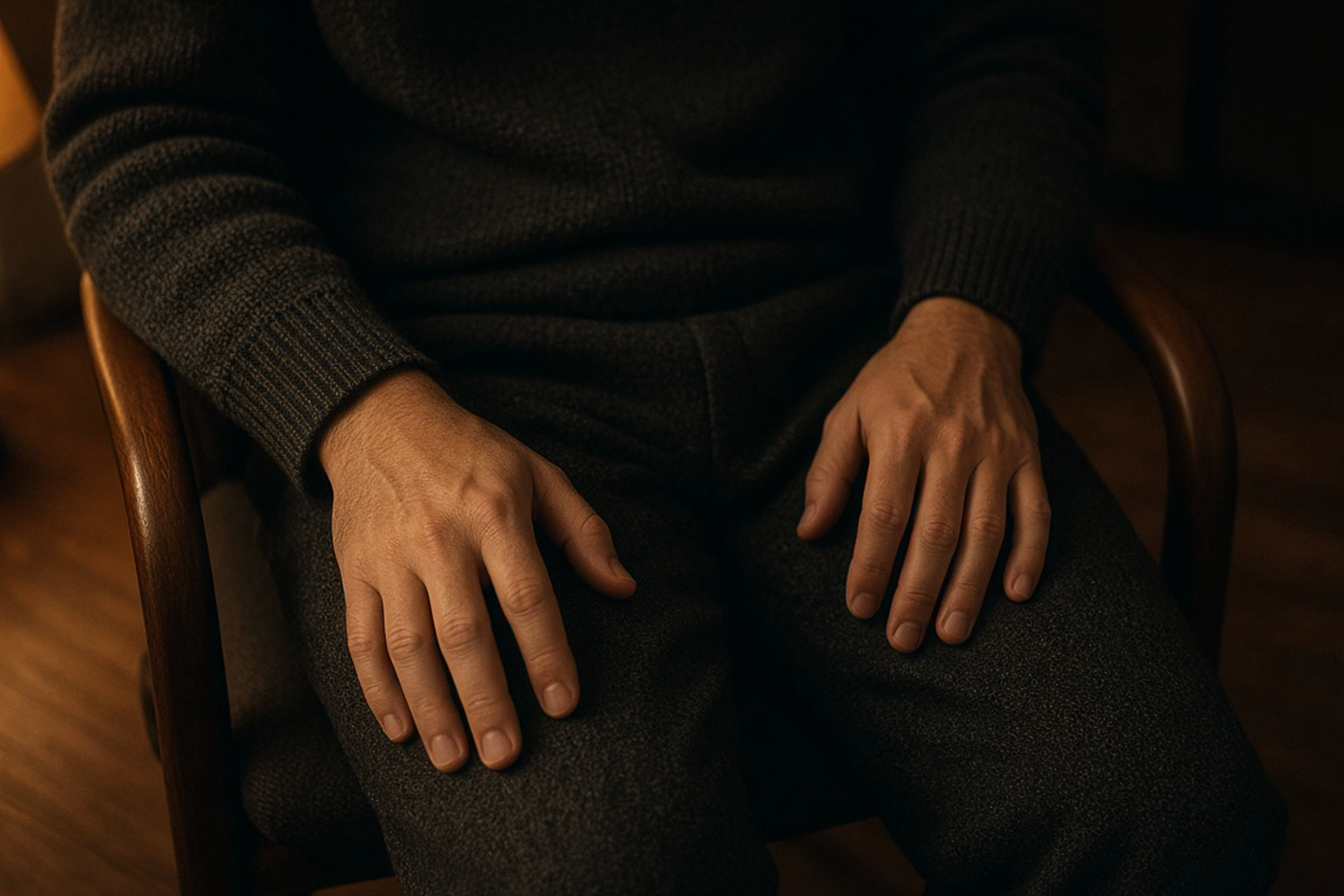
The responsibility he felt
Steadiness waits a long time before it names this.
One chapter is called “The Responsibility He Felt.” After it, the book names “The Balance He Learned,” and then “The Way It Became Simple.” Daniel is not handed the quality in advance. The order is the argument: felt, then learned, then simple.
Earlier, a chapter is called “The Shift He Allowed.” A shift allowed is different from a shift imposed. He did not take a new posture and call it care. He permitted something in the evening to move, and the permission had a weight.
On the book's own terms, steadiness is what it means to hold space for someone without needing to fill it. The titles put a cost on that line. A man who never feels the holding is not being light. He has failed to notice the power he is already using.
Leaving a pleasure unfinished, or leaving their account of the night alone, can still miss the power your composure is already using.

When the weight turns into a requirement
You liked that they relaxed. After a while you need it. If their ease falters, you take the falter as a verdict, and you move to repair their mood so your place in the room can resume. The repair looks like care. It can also be a demand that they remain comfortable enough for you to recognize yourself.
Care has to live through the moment they pick their vigilance back up. They may want the evening to change direction, or to lead for a stretch of it, or to go home. The same demand hides inside a polite question that already hopes for yes. If they cannot be unsteady near you, ease has become a condition of your company.
Balance, as I read that later title, is the willingness to feel the weight and still hand it back. You do not drop it on them as a test, and you do not clutch it as proof that you are the steady one. You keep it at the size of the moment. A glass. A lamp. A pace. When the moment changes, the size is allowed to change.
One careful evening can be a performance that happens to succeed. Ordinary nights, repeated, show whether the responsibility was real. They will have learned that they can set something down and take it up again without being punished for the change.
Leaving it at the size of the room
What I trust is how small the outward event can be.
You notice the exhale. You do not mention it. You do not become more careful in a way they can see, because visible carefulness gives them a new job: managing your care. You leave the lamp where they found it. You let the next sentence be only as long as the thought. You let your want stay visible, so responsibility does not harden into a face they must interpret.
If simplicity arrives, it will not feel like a prize. It will feel like a night that no longer asks you to narrate your own steadiness. The weight remains. It is the ordinary weight of sitting with someone who trusts you, and it does not require a speech.

The room stays at the level where they set it.
You do not gather up their vigilance in order to feel useful. You do not refuse the holding when they offer it.
The trust is heavy enough to feel, and light enough to set back down.
Daniel's story continues in The Pleasure-Dom: Steadiness, a literary novella about presence, desire, and recognition.