The Unrehearsed Evening
On anticipation, unpreparedness, and what an evening can be when you have not written it in advance.
By Samuel Ardent5 min read
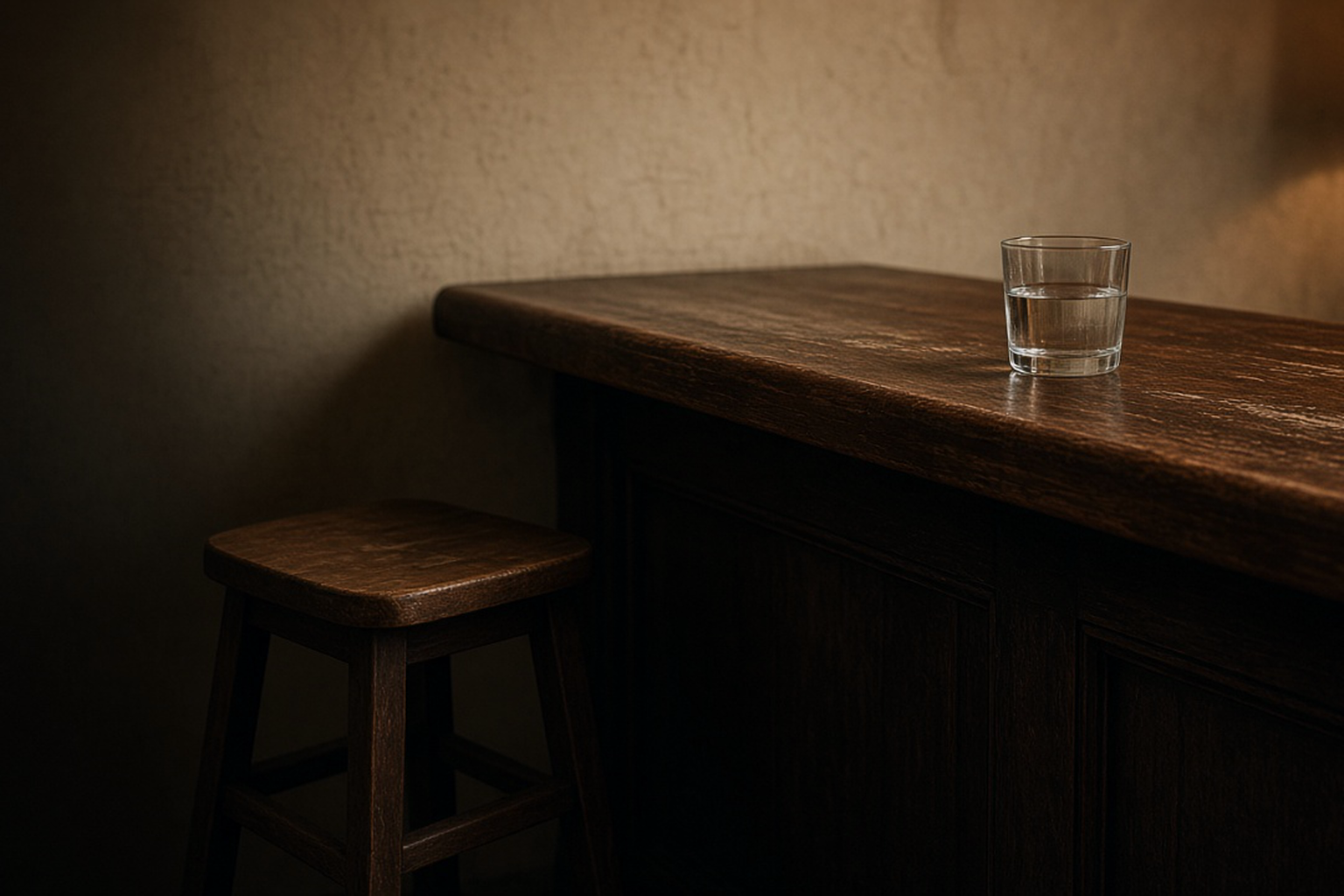
The afternoon is still ordinary, and you are already leaving it.
A time has been named. A bar you know. Nothing in the suggestion asks you to become anyone new. Still, you can feel the evening assembling itself ahead of you: what you will wear, how you will seem, which version of the night you will be able to tell later.
Then you notice that you are not doing it.
You have agreed. You have not composed a self for the agreement to wear. The surprise is small enough to miss. It is also the difference between arriving, and arriving already narrated.
The work anticipation does
Anticipation is not the same thing as looking forward to someone.
Looking forward can be a form of welcome. You hold a person in mind. You leave a little room in the day for them. That is a kindness, and I would not trade it for a rule about staying blank.
Anticipation, as I mean it here, is a draft. You write the evening before it has happened, and then you meet the draft first. The person across from you has to compete with a version you already prefer, or already fear. You arrive slightly relieved, or slightly disappointed, which means some part of you did not arrive at all.
The draft is often flattering. It makes you articulate before you have spoken, and it gives the night a meaning before you have touched the wood of the bar. You decide, quietly, that the evening will confirm a quality you would like to possess.
I am interested in the narrower change. You can want the meeting and still decline to spend the afternoon rehearsing the person you will be inside it.
What the room is allowed to be
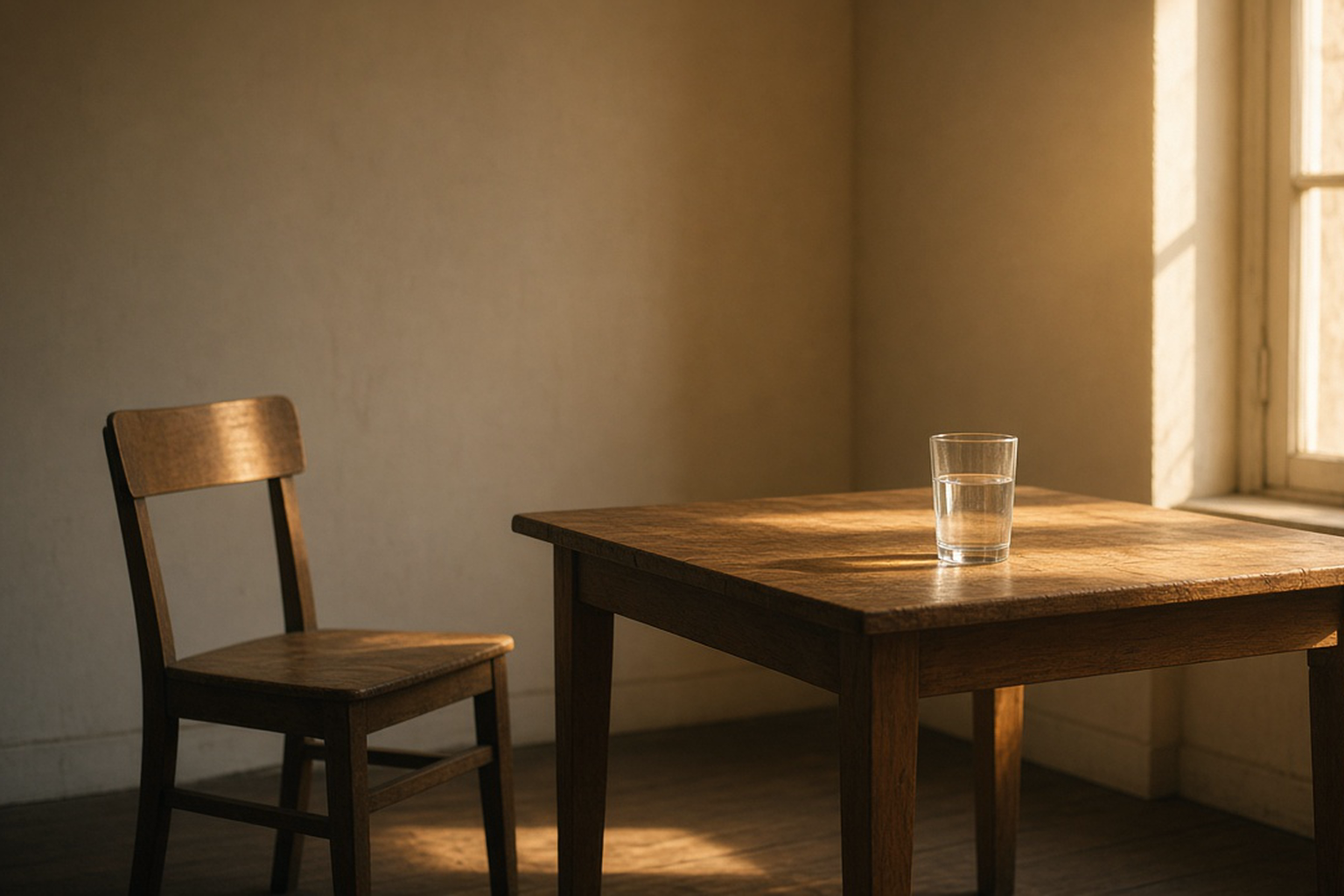
A room can stay a room, if you let it.
The light is low. The wood has already been worn smooth by other people, so the place does not need you to begin it. Voices somewhere behind you stay contained. Nothing in the room is competing for the evening.
If you have already decided the night is significant, that room becomes a set. The lamp is there to flatter the scene you brought. Even the quiet starts to feel arranged, because you are listening for proof. If you have not decided, you can sit down without recruiting the furniture. A bar you know is allowed to be only that.
Daniel, at the opening of The Pleasure-Dom: Steadiness, agrees to the date in the manner that has lately been his: without resistance, and without anticipation. The message arrives on a Tuesday afternoon, inside a day that was not waiting for it. A simple suggestion. A bar he knows. A time that works. He reads it, and then he reads it again. The second reading is not excitement. It is the odd discovery that nothing in him objects.
The lack of objection feels new.
I do not want to turn that newness into a method. The introduction already refuses the move. Nothing here needs to be proven, defended, or explained away. It calls the subject a way of being that already exists, often unnoticed and sometimes unnamed. Rehearsal is a poor way to meet a thing like that.
The evening he did not expect
Steadiness begins by naming the surprise.
The first chapter is called “The Evening He Didn’t Expect.” Later the book names “The Pattern He Hadn’t Noticed,” and then “The Idea That Stayed.”
The surprise is not a twist waiting in the plot. It is a failure, for once, to predict himself into the room. He does not walk in carrying an evening he has already finished. The title puts the unexpectedness on him.
A pattern unnoticed is the older habit hiding under the yes. You agree, and somewhere beneath the agreement you are already narrating how you will seem, and what the night will be allowed to mean. It feels like preparation. It functions as a refusal to be met by anything you did not schedule.
An idea that stayed is the recognition left alone. Something in you did not object. You do not immediately promote that fact into a personality. You let it sit, the way a sentence can sit before you decide what it is for.
The book is not handing Daniel a style. It is letting an ordinary yes remain ordinary long enough to be felt.

When blankness becomes a costume
There is a way of refusing anticipation that is only another rehearsal.
You refuse to look forward, so that you can feel pure. You arrive empty on purpose, and you watch yourself arriving empty. The other person meets a performance of spontaneity. They still have to compete with a draft. This one is simply blank, and a blank is harder to argue with, because it looks like honesty.
Care has to be willing to hear that someone wanted to be looked forward to. A person can feel the absence of anticipation as indifference, and a careful lack of a plan as a way of keeping the evening from mattering until you have decided that it does. Unpreparedness is not automatically generous. It can be a method for remaining the one who has not risked a hope.
The distinction lives in what the other person is asked to do. Does your lack of a script give them room to arrive as themselves, or does it ask them to supply the evening you declined to imagine? A welcome can include a little anticipation. A draft cannot include them. They were not in the room when you wrote it.
Leaving the evening unnamed
What I trust is how little has to happen.
You know the time. You know the place. You do not yet know what the night will be asked to prove. The coat is by the door because you are going, not because the going already has a meaning waiting there. Keys. The walk. Low light. Wood that other people have worn smooth.
You can let the first minutes be only what they are. A seat. A voice that does not compete. Nothing in you objected, and you did not rush to replace the missing objection with a plan.
Some evenings should be hoped for. Some people should be held in mind before you see them. The practice is narrower than indifference, and more difficult. You want the meeting. You decline to meet it in advance. You leave the evening unnamed long enough that another person can help decide what it is, or can decide that it is not yours to keep.

The afternoon stays ordinary until it is no longer afternoon.
You have not written the night. You are only on your way to it.
Daniel's story continues in The Pleasure-Dom: Steadiness, a literary novella about presence, desire, and recognition.