The Hour That Slowed
On pace, a kiss, and what an evening can hold once it stops trying to arrive somewhere else.
By Samuel Ardent5 min read
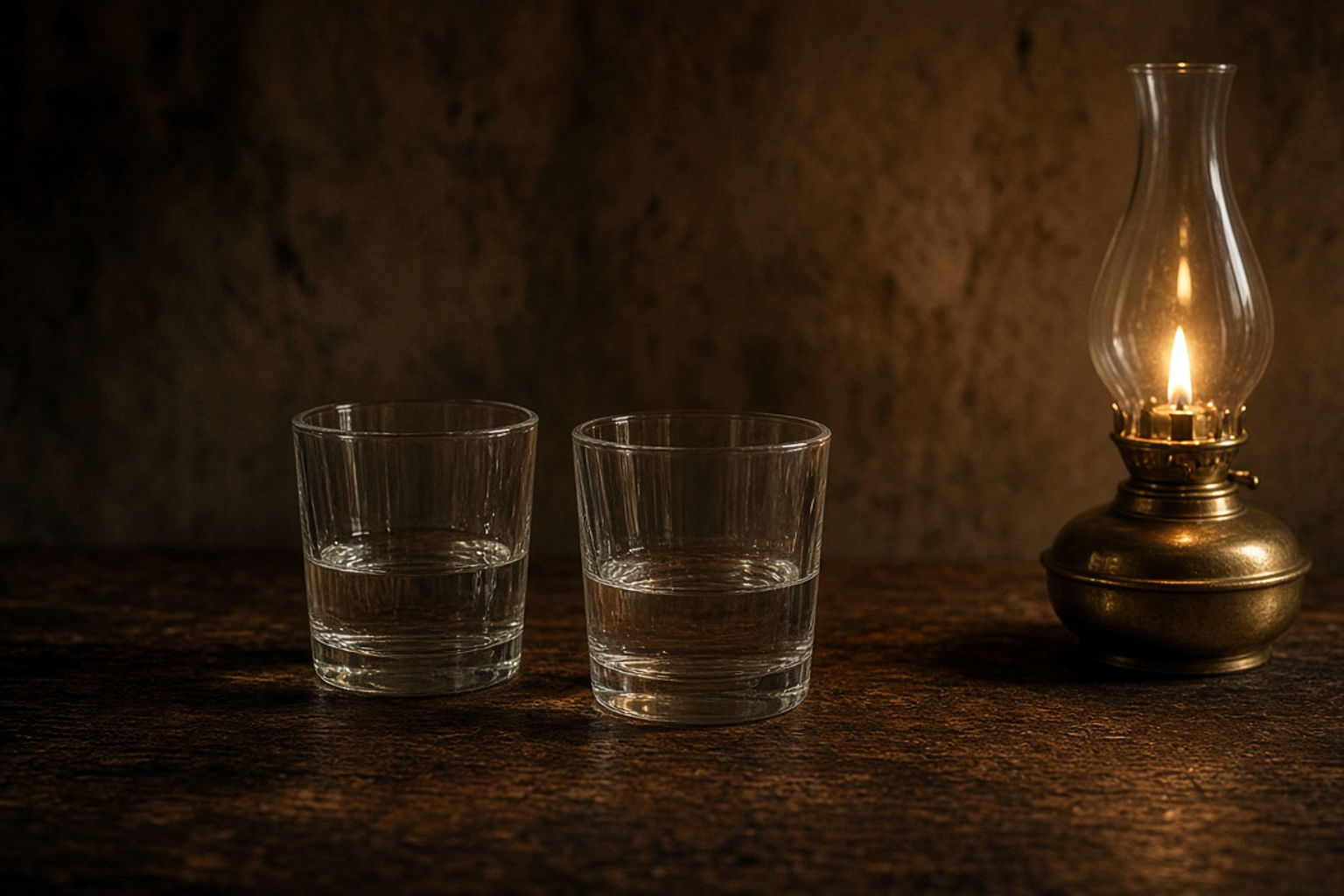
You notice the change in the room before you can name what caused it.
A minute ago the evening had a direction. Conversation was moving. The next thing was already assembling itself a little ahead of where you both were. Then someone leans closer, or you do, and the kiss that follows does not speed the night. It takes the speed out of it.
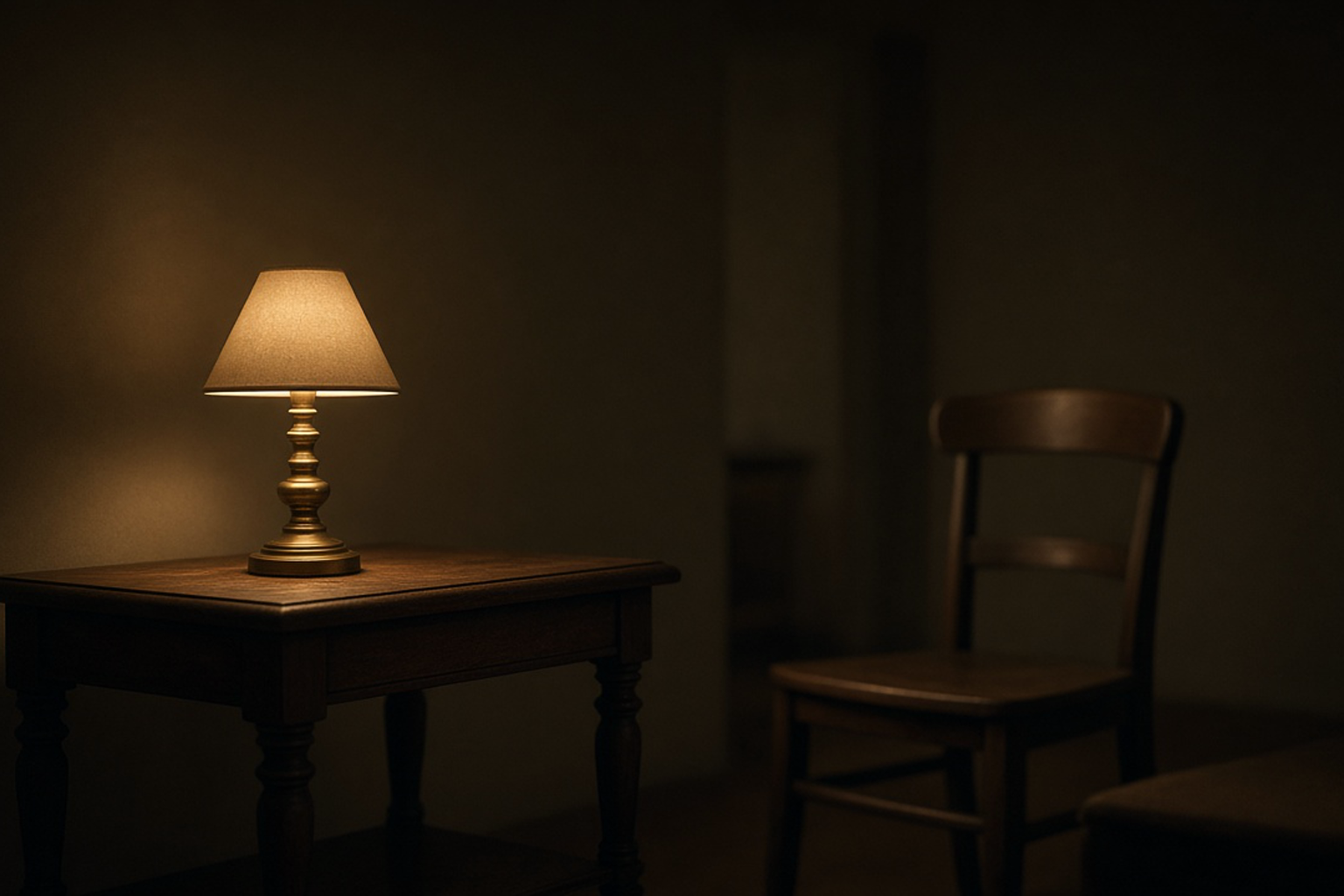
The glass is still where it was. The lamp has not been touched. What has changed is the hour. It is no longer trying to get anywhere.
What we expect a kiss to do
Most of us learned, without a lesson, that a kiss is a threshold.
It marks the point where an evening becomes another kind of evening. Before it, talk. After it, a nearer quiet, and usually a quicker one. We remember the kiss by what it made possible. We file it as the moment the night decided.
There is nothing false in that memory. A kiss can open a door, and desire can be glad of the momentum.
The trouble begins when the kiss is asked to function as proof. If it does not advance the evening, we assume it failed, or that we misread the person across from us, or that tenderness without a sequel is only hesitation in a kinder coat. We start repairing a change of pace that did not ask to be repaired.
This is not the same thing as declining the kiss. A refusal has its own dignity. What I mean is a kiss that happens and, by happening, changes the speed of the hour. The room gets slower. No one has to apologize for that.
Hurry, already in the mouth
Hurry is often inside the kiss before the kiss begins.
You lean in because the clock you carry said the hour had earned it. Part of you is already in the next minute, checking whether the kiss was received, whether it should be repeated, whether the evening now has a plot. The person you are kissing meets a fraction of you. The rest is managing the significance.
What gets spent is the detail that made the contact specific. The warmth of the room. The way they paused, or did not. The small sound of a glass set down so a hand could be free. None of that survives if the kiss is being used as a step.
Slowness is not delay. Delay withholds. Slowness stays. You are in the kiss, and you allow it to take the time it actually takes, which is often less dramatic than the story you brought with you, and more exact.
The kiss that slowed everything
The Pleasure-Dom: Steadiness gives this change a chapter of its own. The title is “The Kiss That Slowed Everything.” I keep returning to it because it refuses the usual assignment. The kiss is not credited with starting the evening, or with ending anyone's uncertainty. It is credited with altering the speed of what was already underway.
The title stays local. Not a theory of desire. A room, two people, and a pace that had been running a little ahead of them.
Daniel, early in the book, already knows how to guide an encounter. Guidance can be care. It can also be a way of keeping the time. If you decide when a moment has lasted long enough, you never have to inhabit a length you did not choose. A kiss that slows everything asks him to let the hour be larger than his management of it.
A later chapter is called “The Moment She Let Go.” The title is enough. I do not need to furnish the room it names. The order suggests sequence rather than instruction: a change in pace, then a release that belongs to her, not one arranged on her behalf. Letting go, read that way, is not collapse. It is the point at which she no longer has to keep the evening's speed for both of them.
That is the distinction I trust. A slower kiss can make the other person freer. It can also be a refined way of remaining the person who sets the tempo. The difference shows up in her, not in the intention you would prefer to claim. Does the slowness give her some part of the evening back, or does it only teach her to wait more carefully?
What the slower hour makes visible
When the pace drops, ordinary facts return.
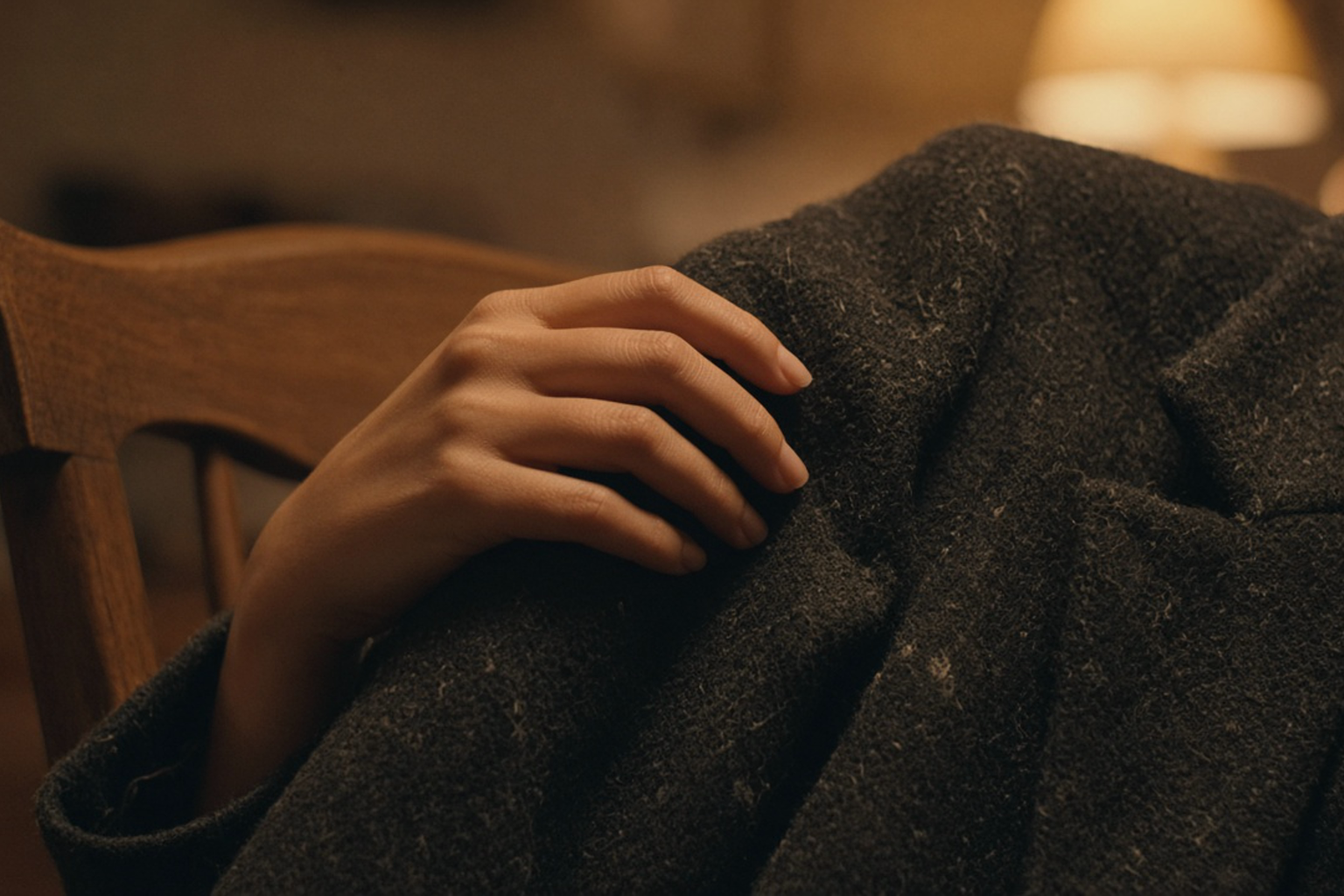
A hand has settled, no longer braced for the next move. You notice you had been holding a breath, as if the kiss were a task with a correct ending. The lamp is still low. The wood is the same wood. Nothing has been promoted into a symbol, which is one way you know you are still in the room.
The attention that arrives after hurry leaves is not vigilance. Vigilance scans for what might go wrong, or for what ought to happen next. This is closer to company. You are with someone at the speed they are actually moving, and your competence is no longer the most interesting fact in the chair.
Slowness is not a virtue you can put on. Performed slowness is only hurry with better manners. The other person can feel the performance, the way they can feel a kindness that was spent to move the night along. What they can trust, when they trust it, is the kiss that did not recruit them into a faster story.
Staying at the new speed
The difficult part is the minute after.
A slowed hour wants to be explained, or completed, or apologized for. You feel the old impulse to give the kiss a job: to stand, to speak, to decide what the rest of the night will be. Sometimes those impulses are the right ones. Some evenings should continue. Some words belong in the room before the quiet hardens into a mood. The aim is not to freeze the hour in tribute to your own restraint.
The aim is narrower. You notice that the speed changed, and you do not immediately spend the change.
A slower kiss is not a method. If you slow down in order to be seen slowing down, you have only changed the clothes the hurry was wearing. What I trust is the scale. Two glasses still close. A lamp left where someone set it. A hand at rest because it can be. The hour is allowed to remain an hour.
The kiss does not have to become the story of the night.
It can be the reason the night stopped rushing its own ending.
Daniel's story continues in The Pleasure-Dom: Steadiness, a literary novella about presence, desire, and recognition.